Revitalize Your Outdoor Space: Skilled Tree Trimming Guidelines for a Thriving Yard
Tree pruning is an important part of landscape maintenance that surpasses aesthetics. It plays a significant role in supporting tree health by eliminating damaged or diseased branches. Grasping the right techniques and timing can generate a noticeable difference. Still, many homeowners ignore the details that can result in mistakes. Exploring expert tips and strategies is important for anyone wanting to enhance their yard's beauty and health. What are the key considerations for effective tree trimming?
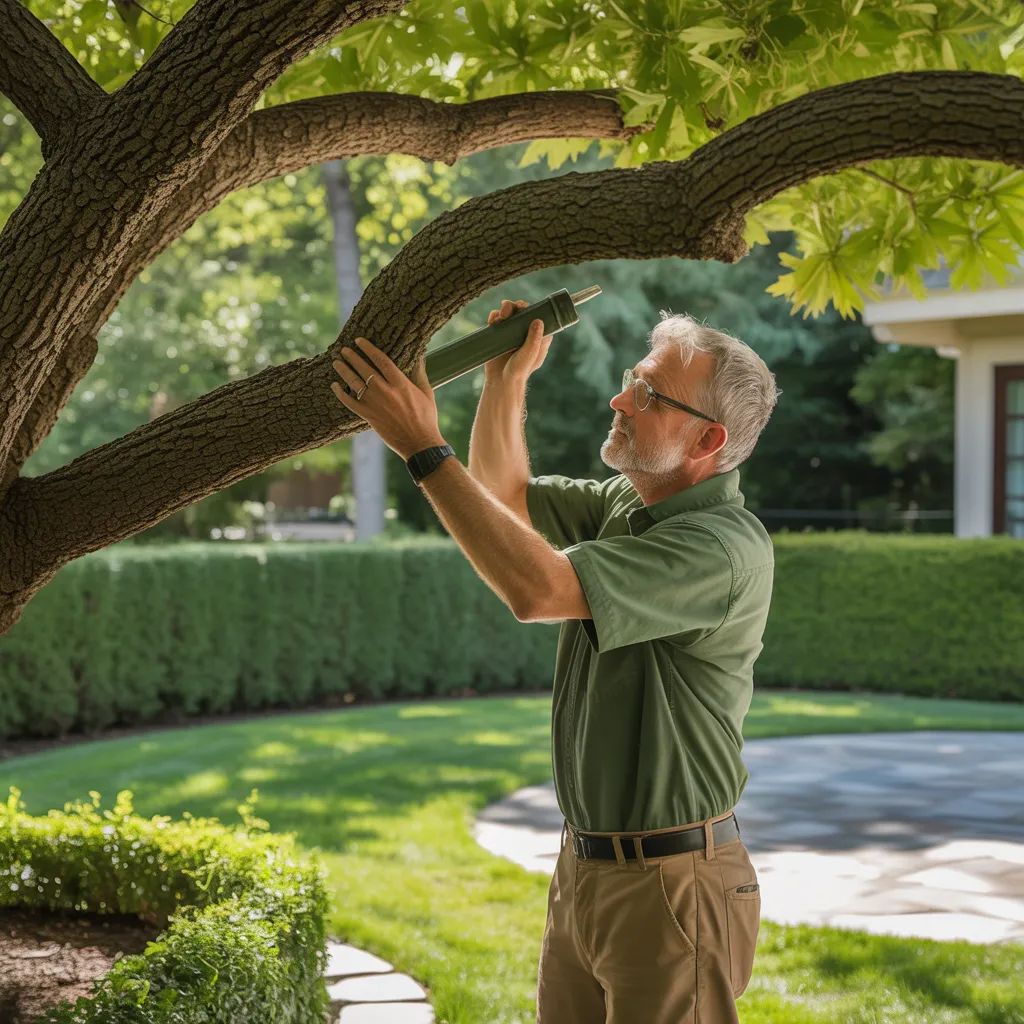
Understanding the Significance of Tree Trimming
While several homeowners might overlook tree trimming, it holds a critical role in upholding the health and safety of trees. Regular trimming removes dead or diseased branches, which can avoid the spread of pests and diseases that threaten the entire tree. In addition, proper trimming promotes better air circulation and sunlight penetration, contributing to a tree's overall vigor.
Tree trimming also enhances the visual attractiveness of a landscape, sculpting trees to harmonize with the surrounding environment. It can avoid potential hazards by minimizing the risk of branches falling amid storms or during high winds, ensuring safety for persons and assets nearby. Additionally, trimming encourages healthy growth patterns, allowing trees to develop strong structures and decrease the likelihood of structural failure. Essentially, tree trimming is not simply a cosmetic task; it is an crucial practice for ensuring the longevity and vitality of trees in any landscape.
Essential Tools for Effective Tree Trimming
Proper tree trimming requires specific tools to guarantee effectiveness and safety. Necessary trimming equipment, combined with appropriate safety gear, plays a vital role in achieving superior results while preventing injuries. Moreover, keeping these tools is vital for their longevity and performance during tree care.
Essential Trimming Equipment
Successful tree trimming necessitates the right tools to guarantee safety and precision. Necessary equipment includes hand pruners, which are perfect for small branches and detailed work. Loppers, with their longer handles, provide leverage for cutting thicker limbs. For higher branches, a pole saw or tree pruner extends reach, providing minimal ladder use. Chainsaws are essential for larger trees but demand caution and know-how. A sturdy pruning saw can also be useful for heavy-duty cuts. Additionally, a reliable tarp or bag aids in debris collection, making cleanup efficient. Investing in quality tools not only enhances results but also promotes a healthier yard, allowing trees to thrive while maintaining an aesthetically pleasing landscape.
Safety Gear Importance
Safety remains critical when it comes to tree trimming, as the risks involved can be significant. Appropriate safety gear is essential to safeguard individuals from potential hazards. First and foremost, hard hats protect against falling branches, while safety goggles shield the eyes from debris. Ear protection is also crucial, particularly when operating loud equipment like chainsaws. Leather gloves provide grip and protect hands from cuts and scrapes. Additionally, sturdy footwear with non-slip soles can prevent slips and falls on uneven ground. Reflective vests may be required for visibility, especially in high-traffic areas. By wearing the appropriate safety gear, individuals can decrease risks and provide a safer tree trimming experience, fostering a healthier yard environment.
Care of Equipment
Maintaining tools is vital for obtaining optimal results in tree trimming. Appropriate care confirms that tools operate effectively and last longer, which ultimately contributes to a healthier landscape. Consistently cleaning pruning shears, saws, and hedge trimmers prevents sap buildup and rust, boosting their performance. Sharp blades are critical; dull tools can produce jagged cuts that damage trees. Therefore, regular sharpening is recommended. Inspecting tools for any signs of wear or damage is also crucial; broken or loose components can result in accidents. Furthermore, storing tools in a dry place protects them from moisture and increases their lifespan. By emphasizing tool maintenance, homeowners can enhance their tree trimming performance and support overall landscape health.
What's the Ideal Time to Trim Your Trees?
When should you trim trees? The most suitable time for tree trimming varies based on the species and the local climate. Generally, late winter or early spring is regarded as ideal, as trees are still dormant, decreasing stress and fostering healthy growth once the warmer months arrive. During this time, identifying becomes easier for the tree's structure, making it simpler to remove dead or diseased branches.
For flowering trees, trimming after they bloom is preferable to ensure you don't eliminate potential blossoms for the following season. In contrast, late summer is suitable for some fast-growing varieties, as it allows for better air circulation and light penetration.
Ultimately, examining the individual needs of each tree and tracking local weather conditions can guide the timing of trimming, guaranteeing that the trees remain healthy and vibrant throughout the year.
Complete Guide to Pruning Various Tree Species
Understanding the ideal timing for tree trimming creates the basis for successful maintenance. Different types of trees need distinct approaches to guarantee healthy growth and aesthetics. For deciduous trees, the best practice is to trim during late winter or early spring before new growth emerges. This helps form the tree while minimizing stress.
Regarding conifers, pruning should be performed in late winter or early spring also, prioritizing removing diseased or dead branches. Conversely, flowering trees require pruning once they have bloomed to prevent cutting off flowers for the next season.
Fruit trees benefit from a summer trim to stimulate fruit production and keep shape.
Finally, evergreen varieties can be cut back in late spring to early summer for aesthetic shaping. Every tree species has specific requirements, and sticking to these standards provides a more robust and lively landscape.
Typical Errors to Stay Away From When Cutting Trees
Several common mistakes when trimming trees can result in harmful effects on their health and development. Wrong trimming timing, excessive branch removal, and disregarding vital health elements are widespread mistakes many individuals make. Recognizing these common errors is crucial for keeping trees healthy and flourishing.
Poor Period for Cutting
Poor timing for trimming can lead to harmful effects on a tree's overall vitality. Trees have defined growth cycles, and trimming them at the improper time can expose them vulnerable to stress and disease. For instance, pruning during the spring, when trees are actively growing, may result in excessive sap loss and susceptibility to pests. In contrast, trimming in late fall or winter can impede a tree's ability to heal before the harsh winter months. Furthermore, numerous tree species have specific pruning windows that must be respected to maintain their vitality. Awareness of seasonal changes and specific tree needs is crucial for effective trimming, ensuring both aesthetic appeal and long-term health. Proper timing can substantially improve a tree's resilience and growth potential.

Tree Over-Pruning or Topping
While the allure of a neatly manicured tree can be tempting, excessive trimming or topping can severely harm its vitality and structural integrity. This practice, often focused on aesthetic appeal or controlling size, removes essential foliage and interferes with the tree's natural growth pattern. A tree's leaves play an essential role in photosynthesis, and excessive cutting can result in stress, making it prone to diseases and pests. Furthermore, topping can result in weak regrowth, creating hazardous branches that are susceptible to breaking. To preserve a tree's vitality, it is essential to focus on selective trimming that promotes healthy growth rather than drastic cuts. Adopting proper trimming techniques can enhance the tree's beauty without sacrificing its overall health.
Disregarding Tree Health Considerations
Ignoring tree health factors while helpful guide performing trimming can lead to substantial long-term consequences for the tree's vitality. One common mistake is failing to assess the complete condition of the tree in advance of trimming. Neglecting signs of disease or pest infestations can exacerbate existing problems. Additionally, not considering the tree's growth patterns could result in incorrect cuts that obstruct its natural shape and health. It is also vital to avoid trimming during the wrong season, as this can weaken the tree's ability to heal. Last but not least, disregarding the importance of sanitation can trigger the spread of pathogens. By being aware of these factors, homeowners can support healthier trees and a more flourishing landscape.
Caring for Your Trees After Trimming for Optimal Health
After trees are trimmed, proper maintenance becomes essential to guarantee their health and longevity. Subsequent to trimming, it is important to monitor the tree for indicators of stress or disease. This includes observing the leaves for discoloration or wilting and inspecting the bark for any unusual cracks or infestations.
Proper watering is crucial, particularly during drought periods, as this facilitates restoration. Spreading mulch at the base aids in moisture retention and inhibits weed emergence that can contend for available nutrients. Furthermore, fertilization may be necessary to restore depleted nutrients, particularly in soils lacking nutrients.
Following pruning, a routine inspection is necessary, making certain that any unhealthy or dead branches that may develop are promptly addressed. Furthermore, sustaining a clean area around the tree can avoid damage from landscaping tools and promote healthy growth. By following these maintenance practices, trees can thrive long after their trimming.
Frequently Asked Questions
Is Winter Tree Trimming Allowed?
Winter is an excellent time for tree trimming. This dormant season allows for easier visibility of branch structure, minimizes tree stress, and decreases disease susceptibility, promoting healthier growth come spring.
What Signs Indicate That My Tree Needs Trimming?
Indicators that a tree requires trimming consist of diseased or dying limbs, overgrowth that prevents light penetration, weakened or cracked branches, and branches making contact with structures or utility lines, which may pose safety dangers or health concerns.
How Do I Dispose of Tree Trimmings Properly?
For disposing of tree trimmings in the right way, you can compost smaller limbs, transport larger pieces to a local yard waste facility, or investigate community composting programs that collect green waste for eco-friendly disposal.
Can Tree Trimming Affect My Residence's Real Estate Value?
Tree pruning can favorably impact a home's property value by elevating curb appeal and preserving tree health. Well-kept landscaping generates a more inviting atmosphere, which potential buyers may find enticing, ultimately impacting the property's marketability.
Is Professional Help Necessary for Trimming My Trees?
Yes, individuals can trim their trees without professional help, provided they possess the right tools, knowledge, and safety precautions. Nevertheless, incorrect methods may result in damage or health problems for the tree, affecting its lifespan.